

Image source: CNN
US
The United States Senate narrowly passed a $1.9Trillion Covid19 stimulus package on Saturday after more than a 24 hour debate. The vote was 50-49 with every Senator voting amongst party lines (only Alaska Republican Senator not being present for the vote). A tie would have sent the bill to Kamala Harris as the tie-breaker, which would have expectedly seen the bill pass. The bill makes its way to President Joe Biden’s desk where he is expected to sign it before the end of the weekend. The stimulus package was passed without including the $15 minimum wage and with cutting additional supplements for unemployment benefits from $400 to $300.
Egypt and Sudan
Egyptian President Ahmed Al-Sisi landed in Sudan on Saturday to discuss the issue of the Nile River dam with Prime Minister Abdalla Hamdok. The discussion are meant to circle around Ethiopia’s Blue Nile River dam. In 2011, Ethiopia decided to build a dam in the portion of the Nile River that stretched into its nation. The Dam has been condemned by Egypt and Sudan because they believe that the water flow will decrease and put millions in their respective countries in a position of hardship. Ethiopia is claiming that not building the dam would harm its people because of the dam’s necessity to spread electricity to its many citizens. Egypt and Sudan also discussed a joint military security plan to protect their coast of the Red Sea; an area that has seen increased violence in the last few year.
India
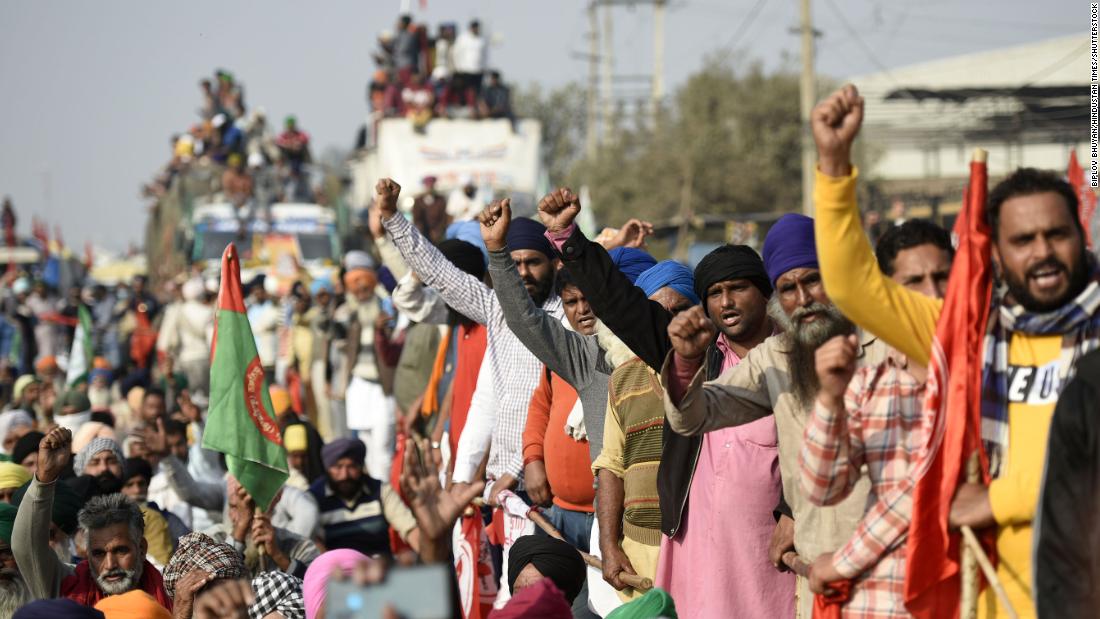
Indian farmers blocked major highways in New Delhi to commemorate 100 days of protests. Thousands have been in the streets for more than 3 months after the Indian government passed 3 farming laws that farmers say will decimate their agriculture business. The laws are meant to open the agriculture industry to international investors (much like that of the US and Europe) instead of keeping the control with brokers and farmers only. Farmers fear that large businesses will come in and monopolize the industry. The government also said that it will take a more free-market approach and become less involved in the pricing of goods; a move that farmers say will open the door to hoarding because the only price to be set will be done by the brokers who can buy the goods and not sell them until there is low supply and high prices.
 constituentsnews.com